
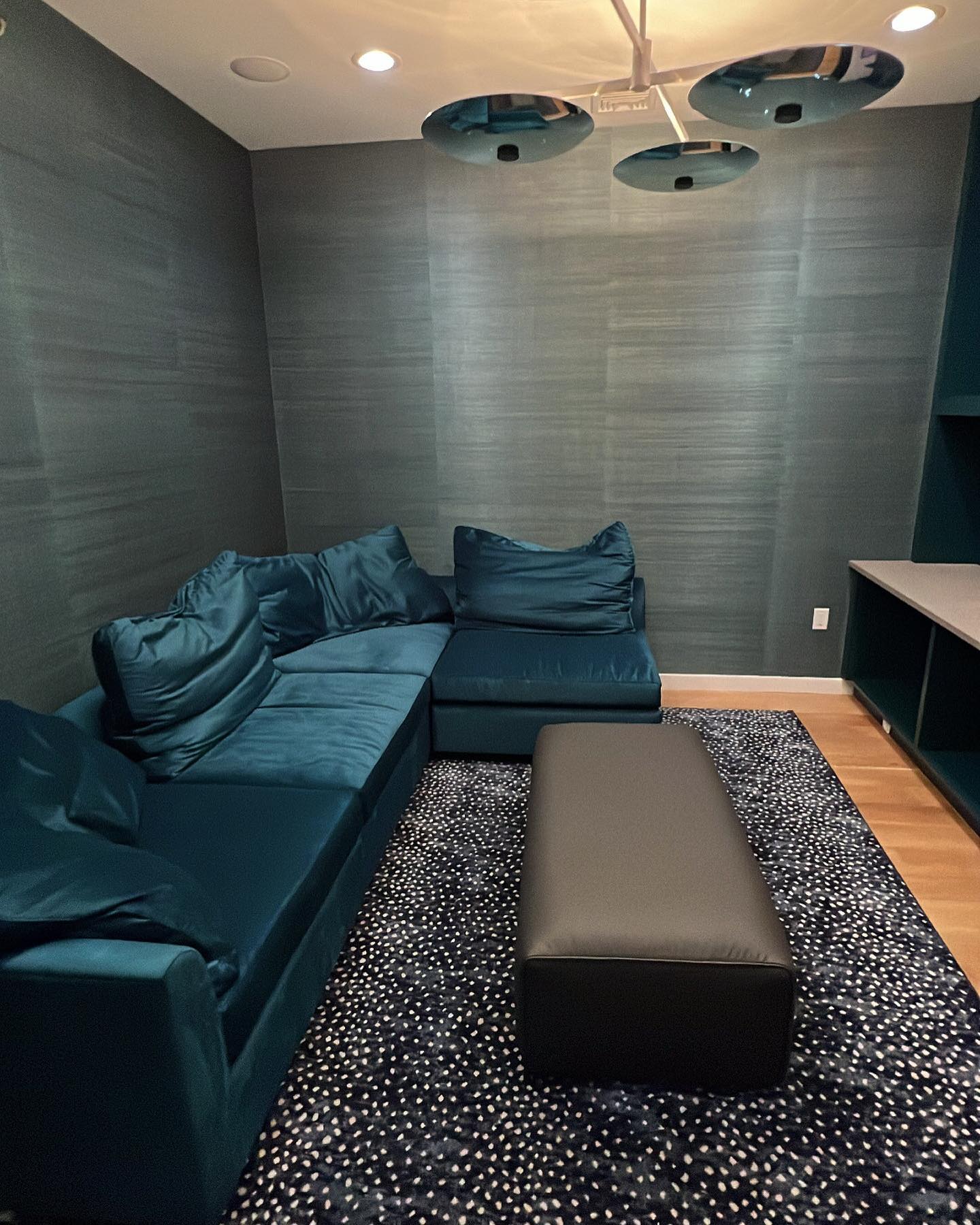
Wallpaper can turn a dark basement into a warm, livable space. It can soften concrete, brighten corners, and give a plain room personality. Still, basements have quirks that make them very different from the rooms upstairs. Moisture, uneven surfaces, and cold walls all affect how wallpaper performs. Before you roll on adhesive, it pays to understand how your basement behaves and what prep work is required.
This is the key point: basements naturally carry more humidity. Without the right prep and the right wallpaper, that moisture can cause peeling, bubbling, mould, or complete failure of the installation. The more you know at the start, the better your results will be.
Can You Wallpaper a Basement?
Yes, but only with proper preparation. Basements and cellars come with every type of wall surface imaginable. The most common are bare concrete, painted drywall, and exposed brick. Each one needs its own approach to ensure a clean, long-lasting finish.
Below is a clear guide to what you can and cannot do with each surface.
Bare Concrete or Cement Block Walls
Concrete is tough, but it is also porous, rough, and inconsistent. If you try to apply wallpaper directly to it, the adhesive will soak into the surface too fast. That leads to weak bonding and patchy results. Small bumps, seams, and marks will show right through the paper.
To prepare concrete or cement block walls:
- Clean the wall to remove dust, efflorescence, and any signs of mould.
- Fill imperfections with a skim coat of plaster or joint compound. This step creates a smooth surface that wallpaper can grip.
- Once dry, sand lightly so the finish feels even to the touch.
- Seal the wall with a mould-resistant wallpaper primer.
- For the best result, add lining paper. It creates a steady, flat base and helps your final wallpaper look crisp.
Skipping any of these steps almost guarantees problems later.
Drywall (Plasterboard)
Drywall is the easiest surface to wallpaper, as long as it is sound and properly primed.
- New, unpainted drywall must be sealed with a wallpaper primer. If you skip primer, the adhesive will sink into the paper layer and cause bubbling or tearing.
- Painted drywall needs to be clean, stable, and not too glossy. Glossy paint should be sanded lightly to help the adhesive grip.
- Check for flaking paint, mildew, or damp patches. Repair and clean these spots before you begin.
When drywall is prepped well, it gives the smoothest and most reliable finish.
Exposed Brick Walls
Exposed brick has character, but it is not wallpaper-friendly. Bricks are textured, absorbent, and full of tiny gaps that no wallpaper can hide. Paper will sit unevenly, peel quickly, and look messy.
To make a brick wall wallpaper ready:
- Apply a thin coat of plaster to flatten the surface.
- Let it dry completely, then sand until smooth.
- Prime the surface with a mould-resistant wallpaper primer.
- Consider lining paper for extra stability.
Trying to wallpaper directly over bare brick will only lead to disappointment.
What Is the Best Type of Wallpaper for a Basement?
Once the walls are dry, prepped, and primed, you can choose the right type of wallpaper. Some materials handle humidity better than others, so your choice matters.
Vinyl Wallpaper
Vinyl wallpaper is often promoted as the best choice for damp rooms because it is washable and wipeable. It works well in kitchens and bathrooms, where surface moisture collects on the paper’s face.
Basements are different. Vinyl is not breathable. If moisture gets behind it, there is no escape route. This traps damp, damages the adhesive, and encourages mould.
So, should you avoid vinyl? Not always. It can work on interior drywalls in rooms that are heated, insulated, and stable year-round, such as entertainment rooms or kitchenettes. It should never be used on exterior walls below ground level.
Non-Woven Wallpaper
Non-woven wallpaper is the safest and most reliable choice for basements. It is breathable, tear-resistant, and easy to install. It allows moisture to pass through rather than trapping it, reducing the risk of mould or peeling. It also pairs perfectly with lining paper.
If you want durability without risk, choose non-woven.
Paper-Based Wallpaper
Paper wallpaper is charming and often budget-friendly, but it is the least suited to basements. It absorbs moisture easily and can wrinkle or peel when humidity shifts. Use it only on interior drywalls that stay completely dry and climate-controlled at all times.
Most homeowners will be happier with non-woven options, which deliver the same design choices with far better stability.
Final Thoughts
Wallpaper can transform a basement, but only if you respect the conditions that make below-ground spaces unique. Moisture control, surface preparation, and the right materials all play a part in achieving a clean, long-lasting finish.
If you want professional help choosing the best wallpaper or preparing your basement walls, Mike Bradshaw Wallcovering can guide you from start to finish.